

At Taylor Medical Group in Atlanta, we help patients feel like themselves again using IV iron therapy. Treatment starts at $300 and delivers results in days rather than the months it takes with iron pills. Our Sandy Springs clinic serves patients throughout the metro area, including Dunwoody, Buckhead, Brookhaven, and Chamblee.
Drs. Eldred and Ava Taylor have helped hundreds of patients overcome iron deficiency when oral supplements failed to do the job. If you’ve struggled with low energy and fatigue despite taking iron pills, IV therapy may be the solution you’ve been looking for.
Iron pills are inexpensive and easy to find at any pharmacy, which is why most doctors recommend them first. But for many patients, oral iron supplements come with serious drawbacks that make them difficult or impossible to use effectively.
The most common complaints about iron pills include stomach pain, nausea, constipation, diarrhea, black stools, and a metallic taste that lingers in your mouth. These side effects aren’t just uncomfortable—they cause many people to give up on treatment before their iron levels have a chance to improve.
Even if you can tolerate the side effects, there’s a bigger problem with oral iron: your body doesn’t absorb it very well. Research shows that your digestive system only absorbs about 10-20% of the iron in pills. The rest passes through your system unused. This means you might take iron supplements for three to six months and barely see your numbers move.
IV iron works differently because it bypasses your digestive system entirely. The iron goes directly into your bloodstream, where your body can use it immediately to produce healthy red blood cells. Most patients notice more energy within a week or two, compared to the months of waiting required with pills.

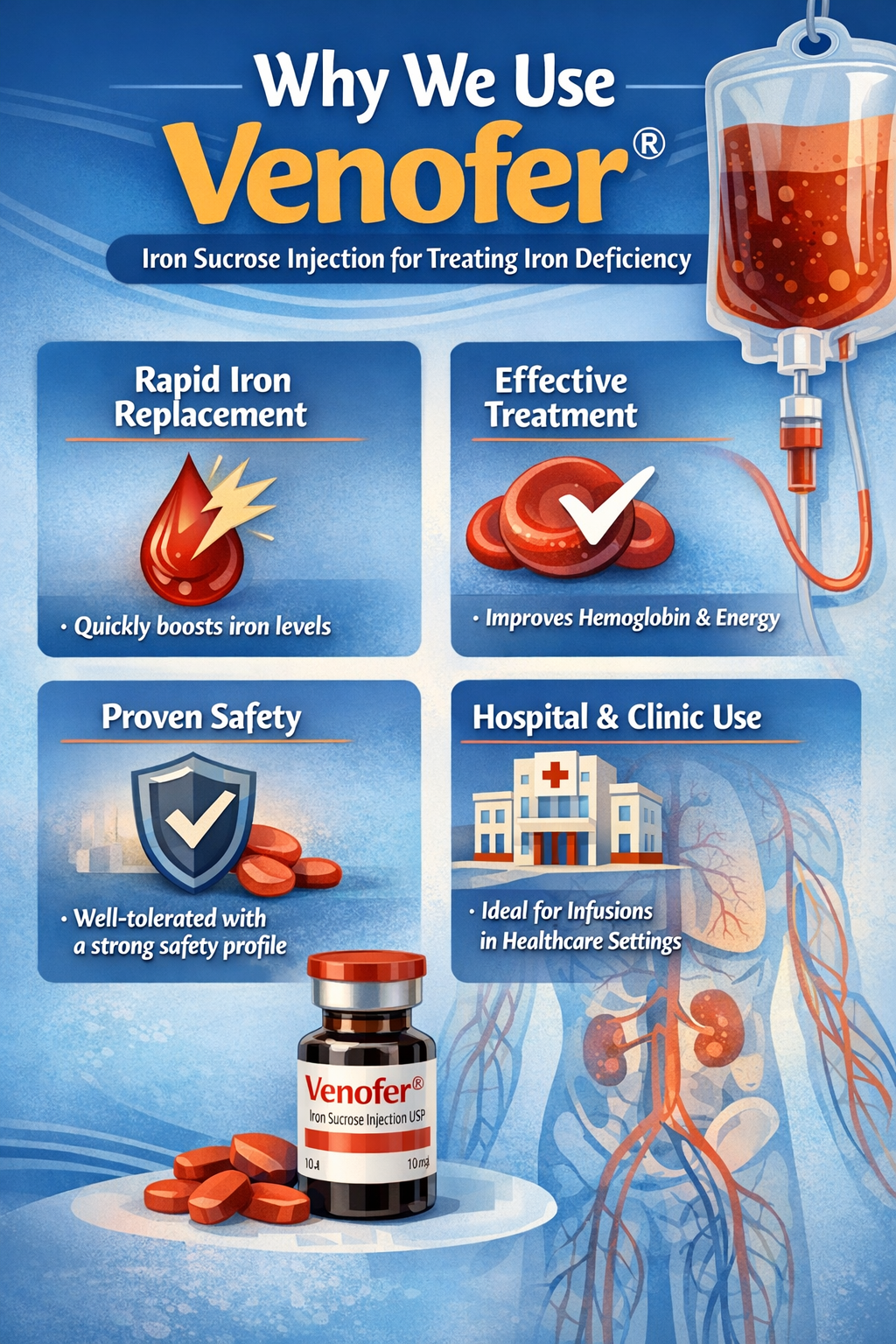
Not all IV iron formulations are the same. Different products have been developed over the years, and they vary in terms of safety, side effects, and how they’re administered. At Taylor Medical Group, we use Venofer (iron sucrose) because it offers an excellent balance of effectiveness and safety.
Venofer (iron sucrose): This is the product we use at our clinic. Venofer has been available for over 20 years and has a well-established safety record. It releases iron slowly into your system, which reduces the risk of reactions. Most patients tolerate it very well, with only mild and temporary side effects like fatigue or headache.
INFeD (iron dextran): This is an older formulation that carries a black box warning from the FDA due to the risk of serious allergic reactions, including anaphylaxis. Patients receiving INFeD must first get a test dose, followed by an hour of observation before the full dose can be given. Because of these safety concerns, we don’t use this product at our clinic.
Injectafer (ferric carboxymaltose): This is a newer option that requires only one or two doses to complete treatment, which is convenient for patients who don’t want multiple appointments. However, Injectafer costs considerably more than other options and has been associated with low phosphorus levels in some patients, which can cause its own set of problems.
Feraheme (ferumoxytol): This product also carries warnings about serious hypersensitivity reactions and requires careful monitoring during and after administration.
We chose Venofer because patient safety is our top priority. It delivers excellent results without the heightened risks associated with older formulations, and it doesn’t carry the premium price tag of some newer products.
Iron infusion at our Atlanta clinic costs between $300 and $600 per session. The exact price depends on how much iron your body needs, which we calculate based on your lab results and body weight.
Patients with mild iron deficiency typically need smaller doses and pay toward the lower end of this range. Those with severe deficiency require higher doses to replenish their depleted stores, which increases the cost. Some patients restore their iron levels with a single infusion, while others need two to four sessions spaced over several weeks.
When comparing the cost of IV iron to oral supplements, consider the full picture. A bottle of iron pills might cost only a few dollars, but if those pills sit in your medicine cabinet making you sick without actually fixing the problem, you haven’t really saved anything. IV iron works faster, feels better, and gets the job done in one or two visits instead of months of daily pills.
Iron deficiency doesn’t always announce itself with obvious symptoms. Many people live with low iron for years without realizing that’s what’s causing their problems. Here are the warning signs to watch for:
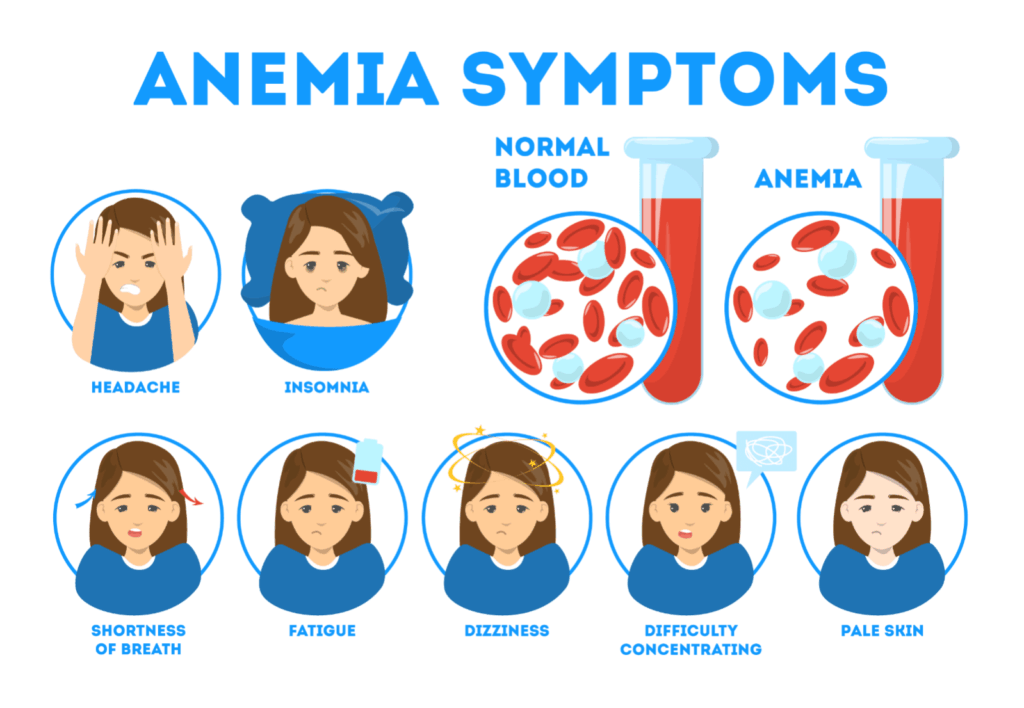
Persistent fatigue that doesn’t improve with rest is the most common symptom. You might sleep eight or nine hours and still wake up exhausted. Climbing stairs or walking short distances leaves you feeling winded. Your brain feels foggy, making it hard to concentrate or remember things. Headaches come and go without any clear trigger.
Physical signs can include cold hands and feet even when the weather is warm, hair loss that seems excessive, and nails that chip and break easily. If you pull down your lower eyelid and look in a mirror, the tissue should appear pink and healthy. Pale or whitish tissue suggests anemia.
Some people develop unusual cravings for ice, dirt, cornstarch, or other non-food items. Doctors call this condition pica, and it’s a classic indicator of iron deficiency.
If any of these symptoms sound familiar, ask your doctor to check your iron and ferritin levels with a simple blood test. If your numbers come back low and you’ve already tried oral supplements without success, iron infusion may be the right next step.
Women make up the majority of our iron infusion patients, largely because of menstrual blood loss. Monthly periods deplete iron faster than most diets can replace it, especially for women with heavy bleeding caused by fibroids, endometriosis, or hormonal imbalances. Many women spend years feeling exhausted before they discover that iron deficiency is the underlying cause.
Pregnant women frequently need IV iron during the second or third trimester. Growing a baby requires substantial iron reserves, and your blood volume increases by nearly 50% during pregnancy. When oral iron supplements worsen morning sickness or fail to raise your levels quickly enough, IV therapy provides a safe and effective alternative.
People with digestive conditions often benefit from IV iron because their bodies can’t absorb nutrients properly through the gut. This includes patients with Crohn’s disease, ulcerative colitis, celiac disease, and those who have undergone gastric bypass surgery. For these individuals, IV therapy bypasses the problematic digestive tract entirely.
Kidney dialysis patients lose iron during their treatments and frequently require regular infusions to maintain healthy levels. Cancer patients undergoing chemotherapy often develop anemia as a side effect of their treatment. Athletes training at high intensity can deplete their iron stores through sweat and a phenomenon called foot-strike hemolysis, where red blood cells break down from repeated impact during running.
Vegetarians and vegans sometimes struggle with iron deficiency because the iron found in plant foods is harder for the body to absorb than the iron found in meat.
Patients with severe anemia sometimes need a blood transfusion first to stabilize their condition. Once stable, IV iron infusions rebuild their iron stores to prevent the problem from recurring. We monitor progress carefully with follow-up lab work to ensure treatment is working as expected.
Getting an iron infusion is simpler than most people expect. Here’s what you can anticipate when you come to our clinic:
First, we review your lab results and health history to determine exactly how much iron you need. Your doctor calculates your total iron deficit using a formula based on your weight and current hemoglobin level.
A nurse will place a small IV catheter in your arm or hand. This feels like a quick pinch and takes only a moment. Then the Venofer solution drips slowly into your vein over a period of 45 minutes to 2 hours, depending on your prescribed dose.
During the infusion, you simply relax in a comfortable chair. Feel free to read a book, scroll through your phone, work on your laptop, or watch videos. Our clinic provides a calm, comfortable environment. Staff members check on you regularly throughout the process to make sure everything is going smoothly.
After the drip finishes, we monitor you for 30 to 60 minutes before you leave. This observation period is standard practice with any IV iron product and allows us to catch any reactions early. The vast majority of patients feel perfectly fine and are able to drive themselves home and return to normal activities the same day.
Most patients begin noticing increased energy within the first week after their infusion. Lab work typically shows hemoglobin levels rising within two weeks. Complete recovery takes about four to six weeks as your body rebuilds its iron stores and produces a healthy supply of new red blood cells.
The number of infusions required depends on how depleted your iron stores are when you begin treatment. Your doctor calculates your total iron deficit using an established formula that accounts for your weight and hemoglobin level.
Some patients can restore their iron levels completely with a single infusion. Others, particularly those with severe deficiency, may need three or four sessions to deliver the full amount of iron their bodies require. Venofer is typically administered in doses of 200 to 300 milligrams at a time, so larger deficits naturally require more visits.
Patients who have ongoing sources of iron loss may need periodic maintenance infusions to keep their levels stable. This is common for women with persistently heavy menstrual bleeding and for dialysis patients who lose iron during each treatment session. Our team works with you to develop a long-term plan that keeps your iron levels where they should be.
Raising your iron levels is an important first step, but keeping them stable over time requires ongoing attention. If you have heavy periods, a chronic health condition, or another source of ongoing iron loss, your levels can drop again after treatment.
Some patients return every few months for maintenance infusions to stay ahead of the problem. Others find they can maintain their levels through dietary changes and quality supplements once their initial deficiency has been corrected.
Blackstrap molasses is one natural option worth considering. Unlike regular molasses, blackstrap molasses is rich in iron—about 3.5 milligrams per tablespoon. It also contains calcium, magnesium, and potassium. Many patients add a tablespoon to their morning smoothie, oatmeal, or coffee as an easy way to boost their daily iron intake.
Vitamin C plays an important role in iron absorption. When you eat iron-rich foods or take iron supplements, pairing them with vitamin C can significantly increase how much iron your body actually absorbs. A glass of orange juice with your meal, some bell peppers in your salad, or a vitamin C supplement taken alongside your iron can make a real difference. This is especially helpful for plant-based iron sources, which are naturally harder for your body to use.
Other iron-rich foods to include in your diet are red meat, spinach, lentils, beans, fortified cereals, and pumpkin seeds. Cooking in cast iron pans can also add small amounts of iron to your food, particularly when preparing acidic dishes like tomato sauce.
Addressing the underlying cause of your iron deficiency is equally important. If uterine fibroids are causing heavy bleeding, treating the fibroids can prevent your iron from dropping again. If a digestive condition is blocking absorption, managing that condition protects your levels going forward. We look at the whole picture, not just the number on your lab report.
Our office is conveniently located just minutes from I-285 and GA-400, making us easily accessible for patients throughout the Atlanta metropolitan area. We regularly see patients from Dunwoody, Buckhead, Brookhaven, Chamblee, and surrounding communities.
Free parking is available right outside our door. The office is wheelchair accessible, and we offer flexible appointment times to accommodate your schedule.
Contact us to schedule your consultation appointment. If you have recent lab work showing your iron and ferritin levels, please bring it with you. If you don’t have current labs, we can order the necessary tests for you.
For more detailed information about iron IV therapy, including what to expect during treatment and answers to common questions, visit our iron infusion blog post.
Call 678-443-4000 or Book Now to get started.
Visit www.taylormdformulations.com for supplements that support healthy iron levels.
Taylor Medical Wellness Group